On The Propagation Of Native Plants From Cuttings
Near the top of my street, growing out of a small termite mound, is a spectacular specimen of Hardenbergia violacea.
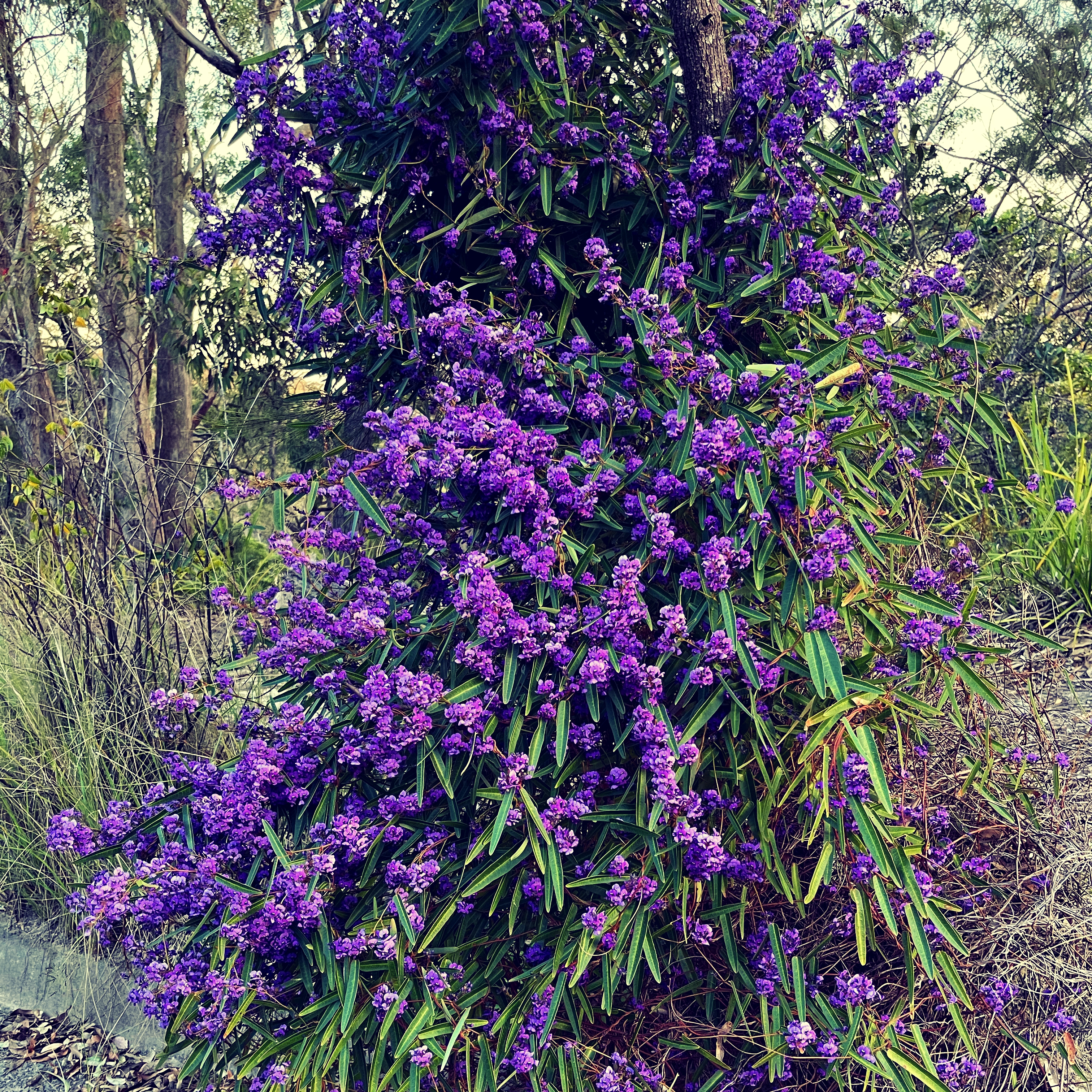
That’d look great in my backyard, I thought, I wonder - would it grow from cuttings? (Spoilers: yes). Here then, is the little that I have learned about how to propagate natives from cuttings, offered in the hope that it might help someone else.
Hidden in Plain Sight
It was there all along, waiting for my eyes and brain to learn how to see it.
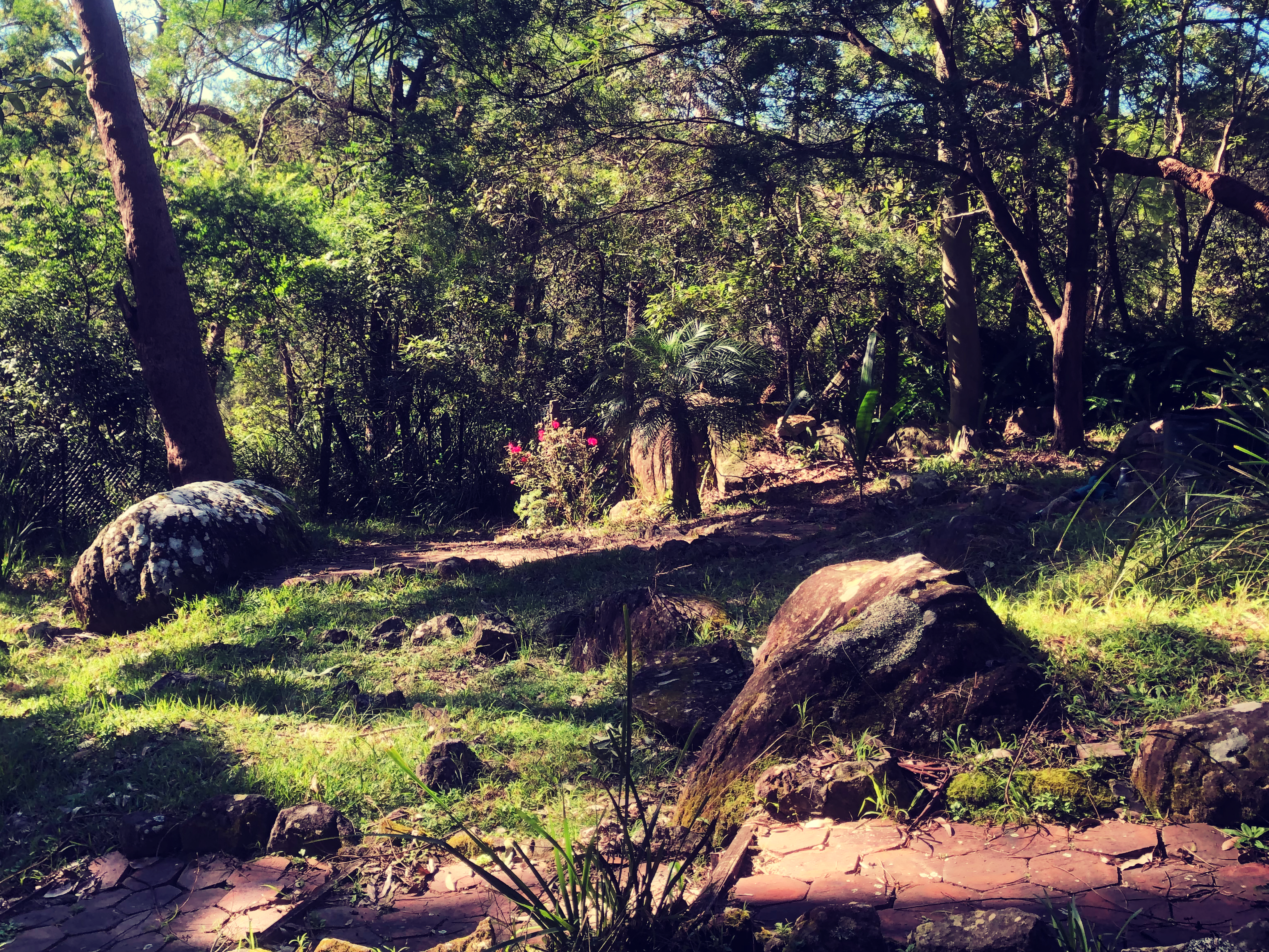
Back when the yard contained only grass, weeds and some trees - or so I thought - a line of introduced species led from the Acacia fimbriata to the boundary with the bush. Something tall with strappy leaves that waved in the breeze. Some sort of palm. Third in line, a small shrub with pink flowers - some sort of Azalea I think.
None of them looked terrible, although Azaleas from the neighbours’ yard have invaded the bushland boundary. No place for them in the native garden though, so a few blows with the mattock and they were gone. Except - what’s that under weed number three?
Ridges, Roads and Rarities
Trails have followed ridge tops in and around the Sydney basin for millennia. When Blaxland, Lawson and Wentworth traversed the Blue Mountains in 1813 they did so by following ridges, many of which were known to the local indigenous people. Over time, many ridge top trails have become roads: the Blue Mountains route, for example, became the Great Western Highway.
A little to the east of my bushland suburb, somewhat less steep-sided ridges have become major roads which service the population of Sydney’s Northern Beaches.
Great for humans - but what if there were a rare plant that grew only along those specific ridges? There is and it’s called Caley’s Grevillea.
Lewin's Birds of New South Wales
John William Lewin (1770 - 1819) lends his name to two birds. I hear one, the Lewin’s honeyeater, almost daily from the bushland at the bottom of the yard.
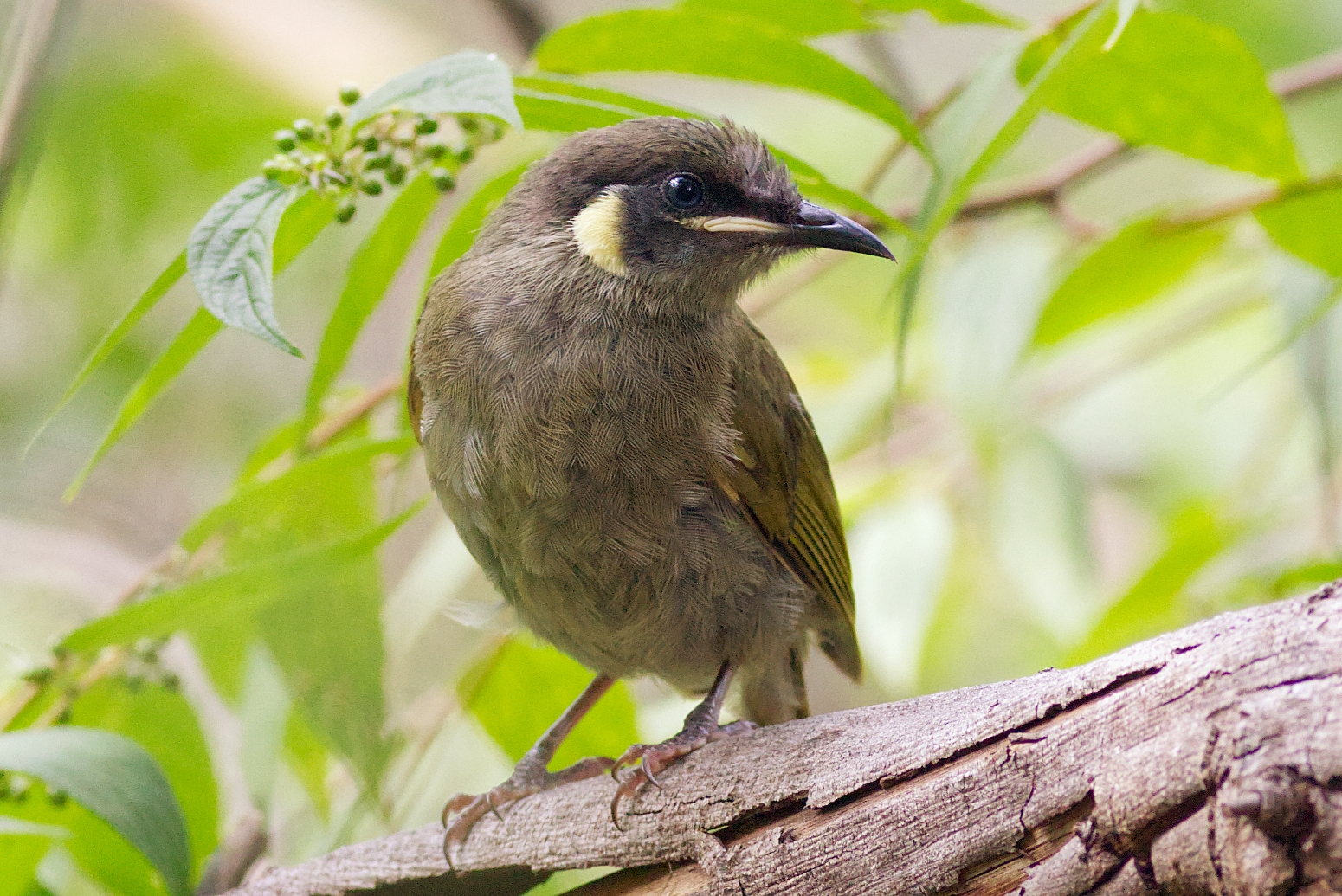
Simpson & Day describe the voice as “distinctive, 1-note, long vibrating ‘brrrrrrrrrrp’”. I have seen it described elsewhere, more accurately in my opinion, as a machine gun-like rattle.
Lewin’s other bird, the Lewin’s rail, doesn’t really live around these parts. “Secretive” says Simpson & Day. The basic facts of John William Lewin’s life can be found in a rather sparse Wikipedia entry and it’s here that I learned about his book, Birds of New Holland with their Natural History.
On Weeds
I guess we’d better start somewhere - so why not start with Ageratina adenophora - commonly known in Australia as Crofton weed.
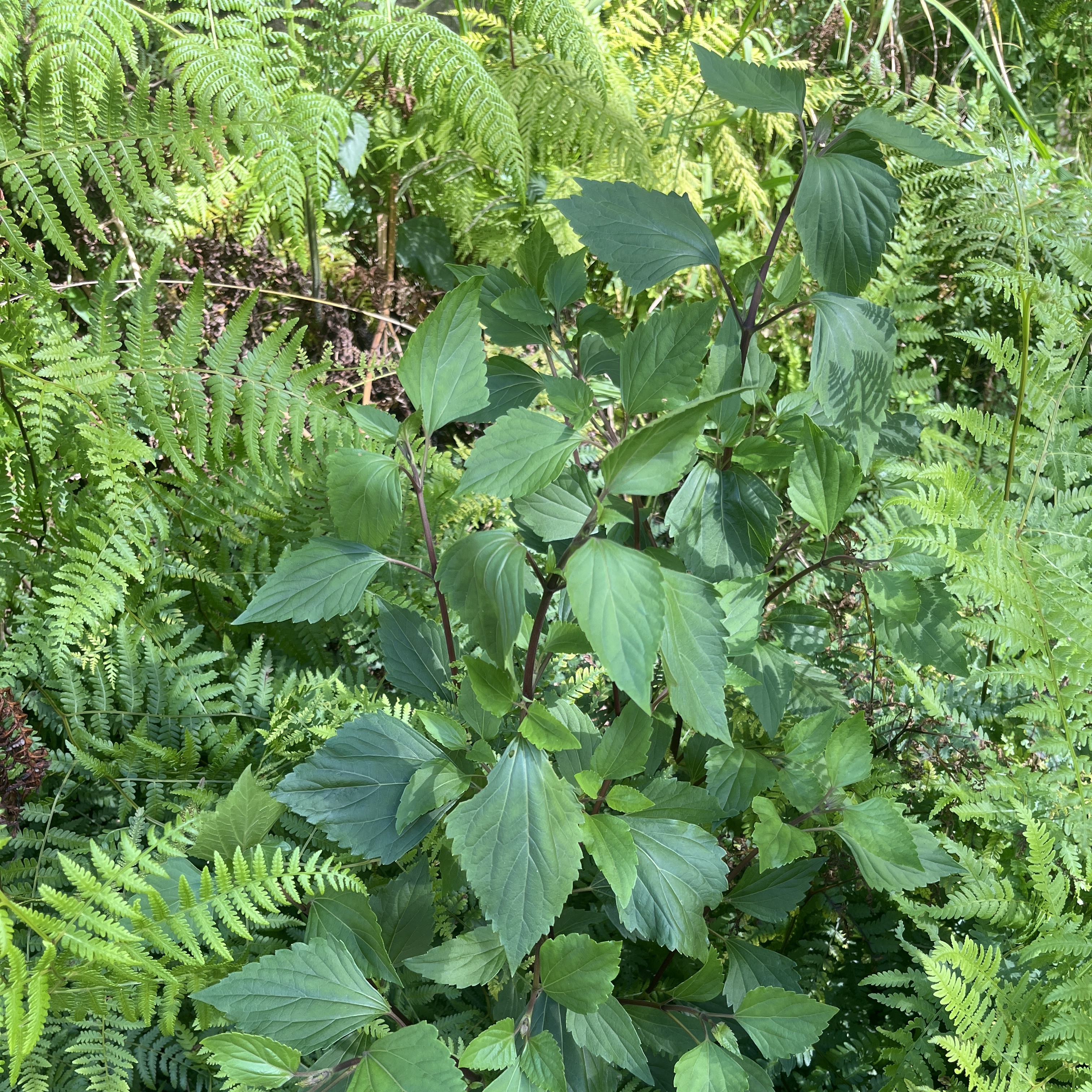
To be clear, the genteel English definition of “weed” as “a plant growing in the wrong place” does not apply in the Australian native garden. I use “weed” as shorthand for “environmental weed” - introduced/exotic/non-native and potentially invasive and damaging to ecosystems. To be terminated where possible, as the movie quote goes, with extreme prejudice.